Information
Landmark: Independence MonumentCity: Gonaives
Country: Haiti
Continent: North America
Independence Monument, Gonaives, Haiti, North America
Overview
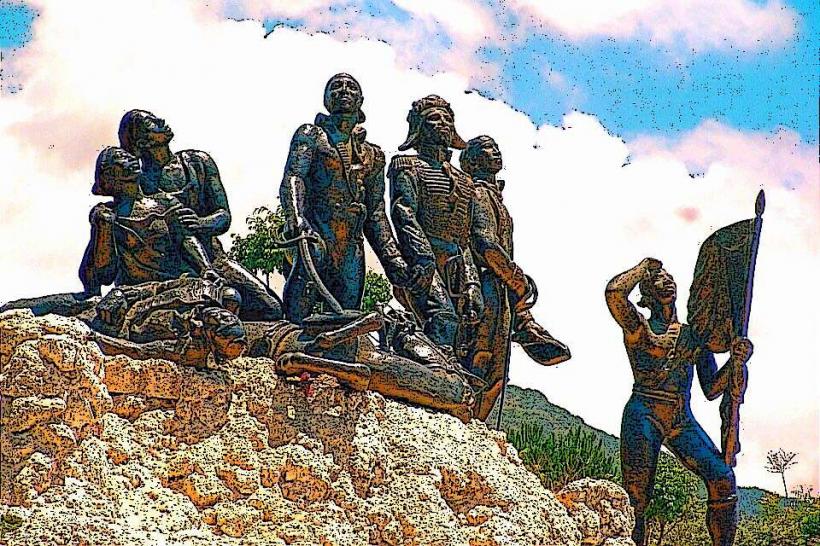
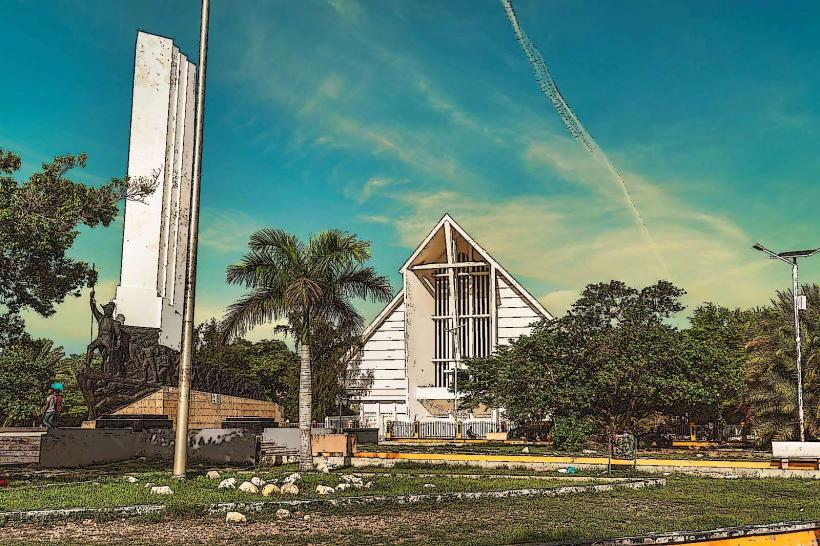
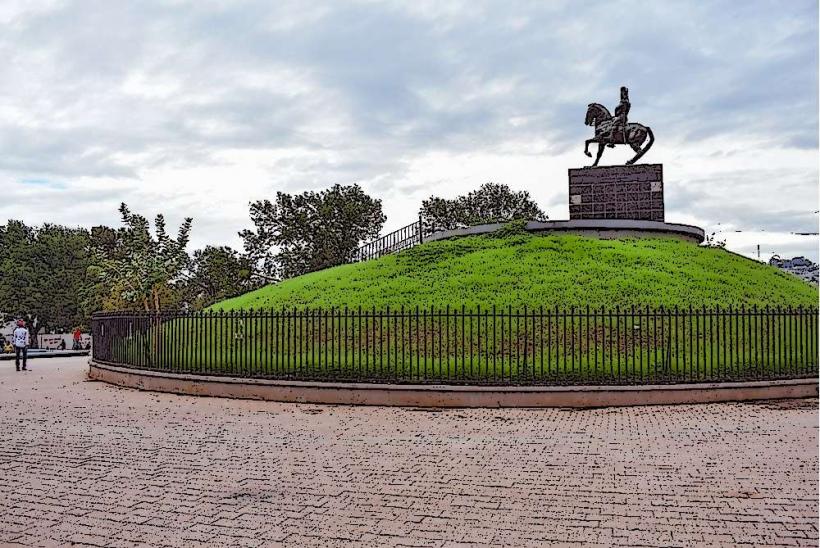
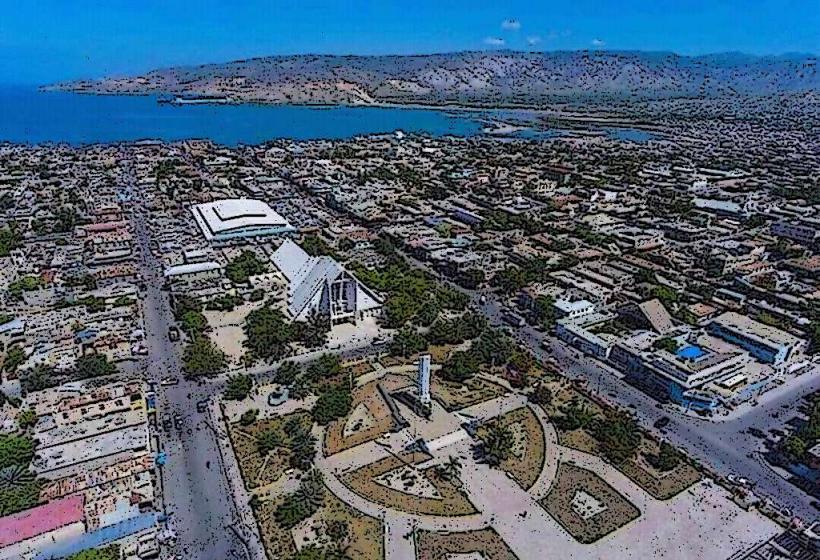
As it turns out, In Gonaïves, Haiti, the Independence Monument stands tall, marking the city where the nation’s fight for freedom reached its turning point, in conjunction with this monument honors Haiti’s fight for freedom and marks the very spot where, in 1804, the words declaring its independence rang out.Here’s a quick peek at the enormous picture, along with the Independence Monument stands in the heart of Gonaïves, a bustling city in Haiti’s Artibonite Department.This landmark stands out in the heart of the city and draws anyone eager to explore Haiti’s revolutionary past, along with known as the “City of Independence,” Gonaïves is where Jean-Jacques Dessalines proclaimed Haiti’s freedom from France on January 1, 1804.The Independence Monument marks that turning point, honoring the victory that created the world’s first independent Black republic after French forces were overthrown, also in Gonaïves, the towering Independence Monument stands as a tribute to Haiti’s hard-won freedom and the lives its people gave during the revolution, its stone etched with stories of courage.The monument is often shaped like an obelisk or a tall column, the kind you might behold rising against the sky in victory memorials across the globe, besides the monument stands as a bold symbol of Haiti’s hard-won freedom and sovereignty.At its base, weathered plaques and carved stone figures pay tribute to heroes of the Haitian Revolution, especially Jean-Jacques Dessalines, the man who declared the nation’s independence, also the design draws on themes of resilience, triumph, and the nation’s lasting pride, like a flag rippling in the wind.It stands as a powerful symbol of slavery’s end and Haiti’s birth as an independent nation, likewise it stands for Haiti’s hard‑won freedom from colonial rule and its unshakable promise to uphold equality, liberty, and self‑determination.The Independence Monument rises at the heart of national pride, where Haitians pause in its shadow to remember the past and honor the bold spirit of their revolution, as a result on January 1, Haiti’s Independence Day, crowds gather at the Independence Monument in Gonaïves, a venue that carries deep meaning for the nation.Each year on this day, Gonaïves bursts into color and sound-flags waving, drums echoing down the streets-as the city marks Haiti’s 1804 declaration of independence with parades and ceremonies, equally important crowds gather at the Independence Monument to honor the revolution’s heroes and the nation’s hard‑won triumph over colonial rule, a locale that stands as a proud symbol of Haitian resilience and identity.It serves as a powerful reminder to Haitians and visitors alike of the nation’s hard‑won freedom and the ideals of justice and equality at the heart of the Haitian Revolution, also on national holidays, the monument draws locals in sparkling festival clothes, curious tourists, and visiting dignitaries, all gathering to honor and celebrate the country’s history.At the Independence Monument, visitors step into the story of the Haitian Revolution, meeting its pivotal leaders and discovering why Gonaïves-where the air once rang with the first cries of freedom-holds such lasting importance as the birthplace of Haiti’s independence, after that around the monument, you’ll often find bronze plaques or a guide telling vivid stories about Haiti’s revolution; Gonaïves also holds other independence landmarks, making it a must-observe for history lovers, a little Beyond national holidays, the Independence Monument comes alive with local gatherings, passionate speeches, and colorful exhibitions that celebrate Haitian culture and the enduring spirit of freedom, consequently it’s where Haitians come together to celebrate their pride and honor the revolution’s legacy.Just steps away, Gonaïves-steeped in history-wears its revolutionary past like a badge, in conjunction with nearby, you can visit the Citadelle Laferrière, a towering UNESCO World Heritage fortress that stands as a proud reminder of Haiti’s strength after independence; the Sans-Souci Palace, once home to King Henri Christophe and filled with echoes of revolution; and the Plaine du Cul-de-Sac, a historic plain where the first fierce battles for freedom shook the earth, to some extent By car, you can reach Gonaïves from Port-au-Prince, the capital, about 150 kilometers down the road-a drive that takes you past dusty hills and roadside fruit stalls, furthermore the drive usually takes three to four hours, depending on how the roads are that day.Honestly, By public transport, most people hop on colorful tap-taps-shared minibuses that rumble their way to Gonaïves from towns all over Haiti, at the same time local buses link Gonaïves to the rest of the country, and the dry season from November to March offers the most pleasant weather for exploring its streets.On January 1-Independence Day-the city bursts with music, flags, and crowds celebrating Haiti’s freedom at the monument, on top of that nearby, lively markets overflow with handmade crafts and Haitian goods, while compact restaurants serve griot, poulet en sauce, and steaming plates of diri ak pwa.The Independence Monument stands at the heart of it all, a proud emblem of the nation’s history, moreover this is where Haiti’s independence was declared, the air once thick with the sound of cheering voices, and it stands as a key landmark in the nation’s revolution.For Haitians and visitors alike, the monument stands as a powerful reminder of the nation’s fight for freedom, the courage of its revolutionary heroes, and the enduring spirit of independence that still shapes life in Haiti today, like the rustle of flags in the warm coastal wind.
Author: Tourist Landmarks
Date: 2025-09-10